
Why We Love Watching Reality TV
/
By Nicole marino, lmft
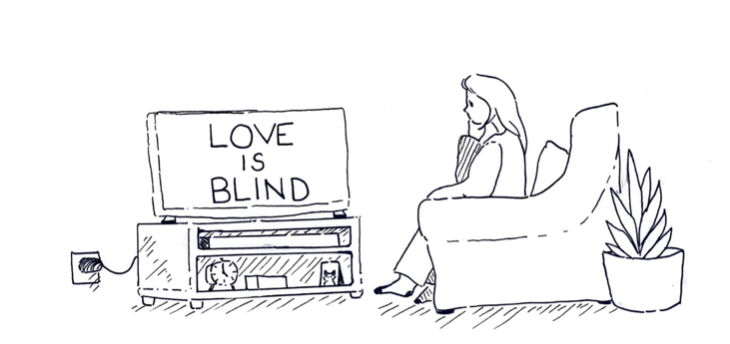
As someone who loves watching reality tv, I wanted to explore more why reality tv feels so relaxing and de-stressing to so many people. It does make sense that after a long day of making decisions, managing emotions, and holding it together, many people don’t want to always watch something “deep.” They want easy. They want something like reality tv. Despite its reputation as “trash tv,” reality shows play a very real role in how people rest, decompress, and emotionally regulate. But how?!
Reality tv is cognitively light. There’s no complicated plot to follow, no symbolism to decode, and no risk of missing a crucial detail if you look at your phone. When the brain is fatigued, this kind of low-demand entertainment allows it to shift out of problem-solving mode and into rest mode. After a day of work, parenting, caregiving, or emotional labor, many people are done thinking.
Even when the drama is wild, the structure of reality shows is often predictable. There will be conflict. There will be confessionals by the stars. Someone will overreact. Someone will cry. Someone will be voted off, dumped, or called out in some way. That predictability creates a sense of safety. The nervous system can relax because nothing truly unexpected is going to happen. In an uncertain world, predictability is soothing.
Reality tv also lets viewers experience emotions at a safe distance. You can feel outrage, secondhand embarrassment, empathy, or satisfaction without it being your life. The drama is safer when it is not your own. This kind of emotional activation can be regulating. It allows people to release feelings they may have suppressed all day, without real-world consequences. You can yell at the screen, take sides, or feel relieved that this is not your own drama playing out. You can also experience someone else’s elevated emotions without being involved, or them being in the physical space with you.
Humans are wired for connection, and reality tv provides a parasocial relationship. Viewers get to “know” the show’s stars, follow their development, and feel invested in their “stories”. It also gives people something to talk about with other people. Reality shows often function as social glue; shared references that create conversation, humor, and bonding with friends, partners, coworkers, or even people you are meeting for the first time.
Reality shows have clear beginnings, middles, and ends. Problems arise and are resolved within an episode or a season. That sense of containment can be grounding for people whose real lives feel ongoing, overwhelming, or unresolved. So when life feels chaotic, watching a contained conflict can feel calming.
So is watching reality tv healthy for us? Like most coping tools, it depends on balance. Reality TV isn’t inherently bad, but it’s a form of rest and entertainment. For many people, it’s a signal that their nervous system needs a break. Relaxation doesn’t always look like meditation or journaling. Sometimes it looks like folding laundry while watching housewives argue at a perfectly curated dinner party. And that is okay!