
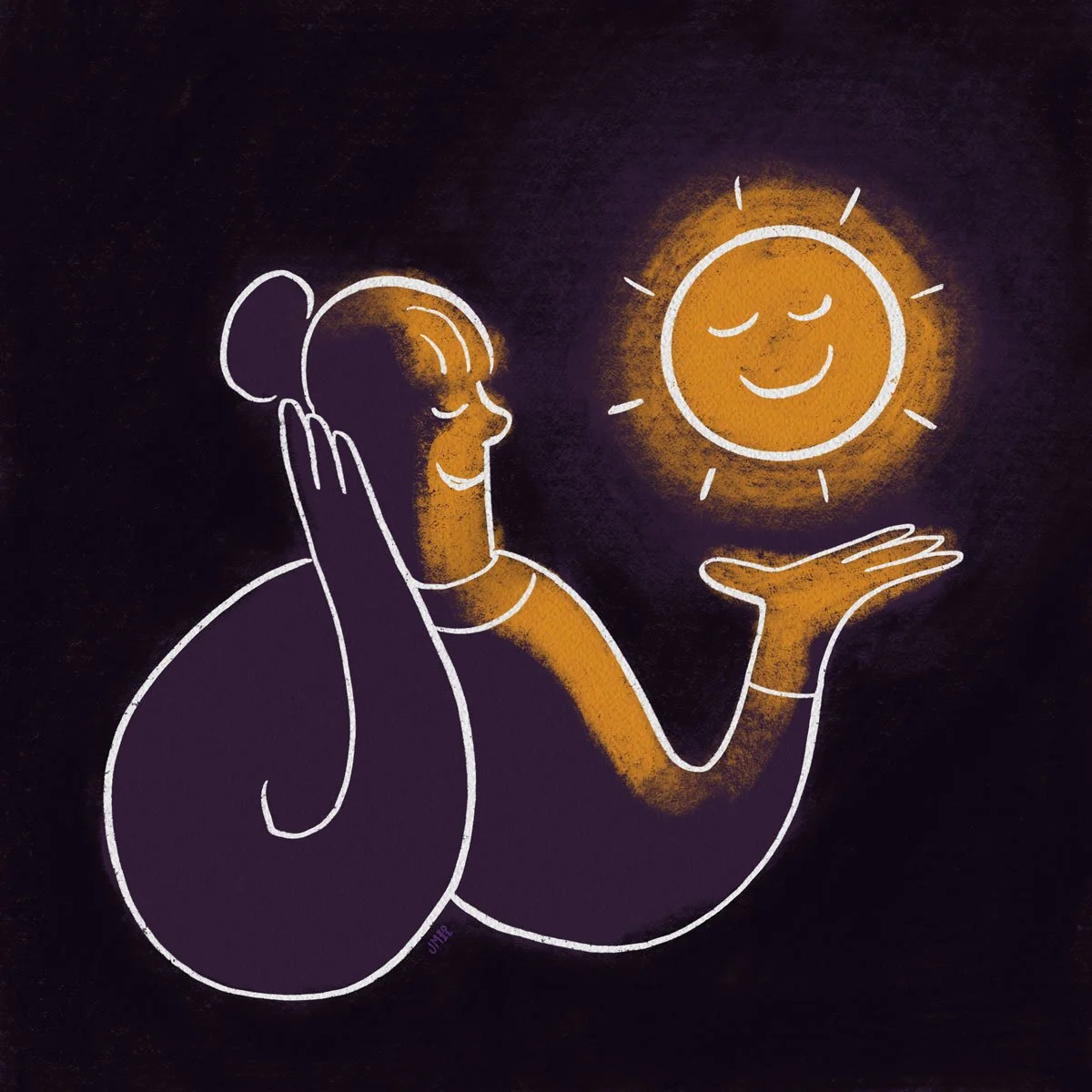
When the Darkness Lifts and Light Returns
/
By Caroline neal, lmft
Every year, as the days grow shorter and sunlight becomes scarce, many people notice subtle shifts in their mood and energy. For some, these changes are mild. Perhaps feeling a little more tired or less motivated. For others, the shift runs much deeper. This experience is known as Seasonal Affective Disorder, often referred to as S.A.D.
From a therapeutic perspective, S.A.D. is more than what many people casually call the “winter blues.” It is a cyclical form of depression that often emerges during the darker months and gradually lifts as spring approaches. When that shift begins to happen, it can bring a complicated mix of emotions.
The Quiet Shift That Happens in Spring
Many people expect that once winter ends, everything should immediately feel better. In reality, emerging from S.A.D. is rarely an overnight transformation. The shift usually happens gradually and often begins with subtle internal changes.
Someone might notice a small increase in energy that makes daily tasks feel slightly more manageable. There may be a growing motivation to go outside, even if only for a short walk or a few minutes of fresh air. Curiosity and interest in everyday activities may begin to return, and the emotional heaviness that once felt constant can start to lift in small but meaningful moments.
These shifts may seem minor at first, but in therapy they are often recognized as important signs that the nervous system is beginning to regulate again.
When Relief Comes with Mixed Feelings
One of the lesser-discussed aspects of coming out of seasonal depression is that relief can exist alongside other emotions.
Some people find themselves feeling guilt about the months when they struggled with low motivation or limited productivity. Others experience pressure to suddenly “make up” for the time they feel they lost during winter. It is also common to feel uncertain about trusting the returning sense of well-being, especially if the previous months felt particularly heavy.
From a therapeutic lens, this emotional complexity makes sense. After a long period of low energy and emotional withdrawal, both the mind and body need time to adjust to a different rhythm. Healing rarely happens in a straight line and often unfolds gradually, with progress coming in waves.
Reconnecting with the World Again
During periods of seasonal depression, many people naturally withdraw from activities and social connections. This isn’t usually a conscious decision but rather a response to depleted energy and mood.
As S.A.D. begins to lift, many individuals notice a gradual reconnection with the world around them. Someone might start opening the windows more often to let fresh air into their home. The idea of taking walks may begin to feel appealing again. Reaching out to friends or family may feel more manageable, and daily life can start to feel more mentally engaging.
These moments of reconnection can feel subtle, but they often reflect something powerful: the mind slowly moving back toward engagement with the world.
The Role of Light and the Body
From a clinical standpoint, seasonal depression is closely tied to how our bodies respond to light and seasonal change.
Reduced daylight can influence the body’s circadian rhythm, disrupt sleep patterns, and affect neurotransmitters that play a role in regulating mood. As daylight gradually increases in spring, the body begins to recalibrate. This biological adjustment helps explain why people sometimes feel their energy returning even before they consciously recognize the shift.
Practicing Gentle Re-entry
One of the most important therapeutic recommendations during this transition is what many clinicians call gentle re-entry.
Rather than expecting yourself to immediately return to a busy or highly productive routine, it can be helpful to approach this period with curiosity and patience. Small steps often make the greatest difference. Spending even a few minutes outside each day can help the body reconnect with natural light. Reintroducing activities that once felt meaningful. Remember, creative hobbies, exercise, or time outdoors can slowly rebuild motivation. Reconnecting with supportive relationships can restore a sense of belonging, and paying attention to moments that bring even a small sense of lightness can guide the healing process.
Instead of thinking of this transition as “snapping back” to life, it can be more helpful to imagine it as slowly stretching after a long period of stillness.
A Different Relationship with Yourself
Many people who experience seasonal depression gain something unexpected from the experience: a deeper awareness of their emotional rhythms.
Through therapy and reflection, individuals often begin to recognize patterns in their mood, energy, and needs across different seasons. This awareness can lead to more intentional self-care, allowing someone to prepare more gently for the winter months while also appreciating the return of spring.
In this way, emerging from seasonal depression is not only about feeling better—it can also be about understanding yourself in a new and more compassionate way.
When the Light Feels Different
The return of light after a long winter can feel symbolic as well as physical.
For many people, it represents hope, renewal, and the reminder that emotional seasons change just as natural ones do. If you are beginning to notice the weight of winter lifting, it may be worth pausing to acknowledge that shift.
Healing does not always arrive with dramatic clarity. Sometimes it begins quietly, with the realization that getting out of bed feels a little easier, that the air outside feels a little more inviting, or that the world feels a little more reachable than it did before.
And sometimes, the simple feeling that the light is a little warmer than it once was is enough to remind us that change is already underway
