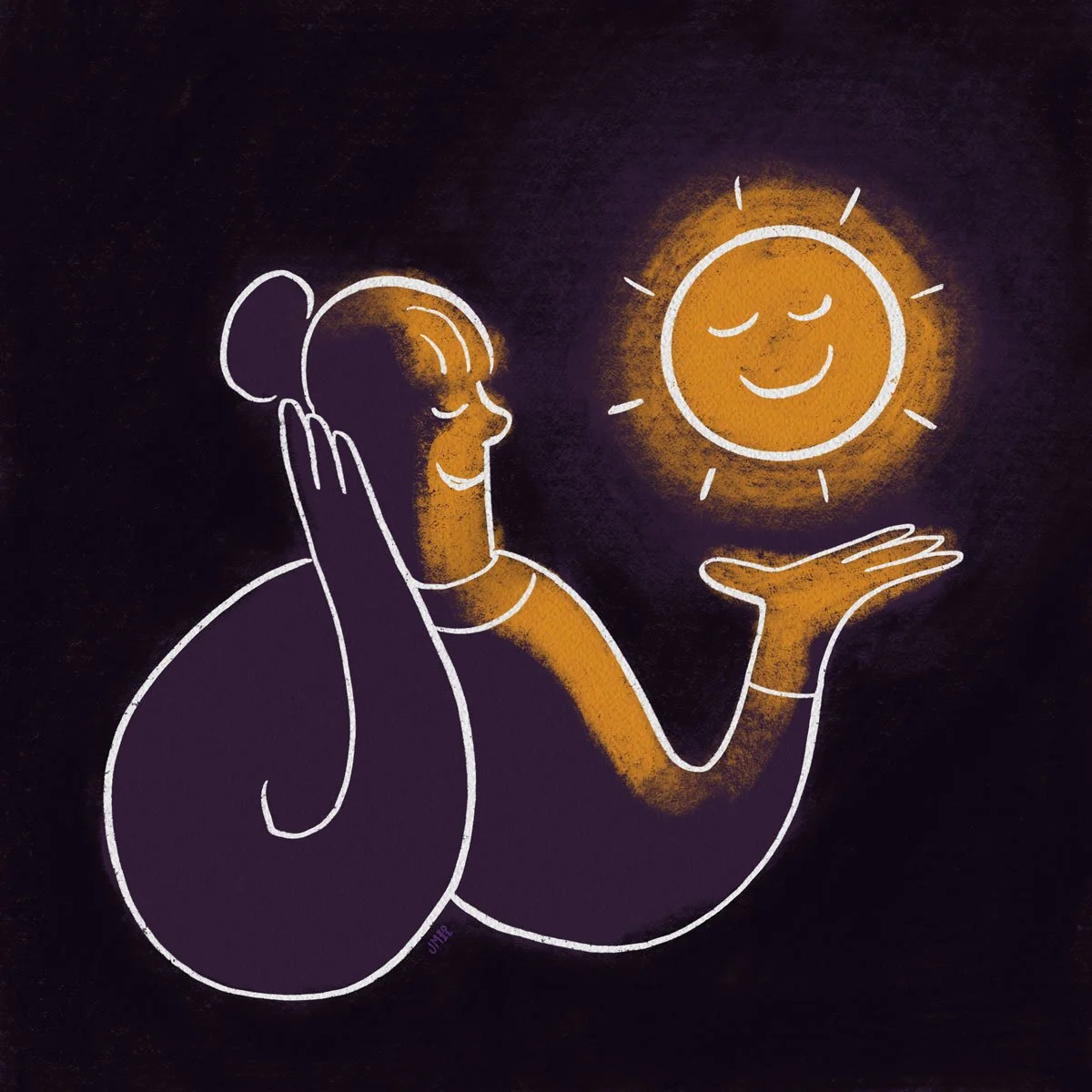
When the Darkness Lifts and Light Returns

By Caroline neal, lmft

Every year, as the days grow shorter and sunlight becomes scarce, many people notice subtle shifts in their mood and energy. For some, these changes are mild. Perhaps feeling a little more tired or less motivated. For others, the shift runs much deeper. This experience is known as Seasonal Affective Disorder, often referred to as S.A.D.

From a therapeutic perspective, S.A.D. is more than what many people casually call the “winter blues.” It is a cyclical form of depression that often emerges during the darker months and gradually lifts as spring approaches. When that shift begins to happen, it can bring a complicated mix of emotions.

The Quiet Shift That Happens in Spring

Many people expect that once winter ends, everything should immediately feel better. In reality, emerging from S.A.D. is rarely an overnight transformation. The shift usually happens gradually and often begins with subtle internal changes.

Someone might notice a small increase in energy that makes daily tasks feel slightly more manageable. There may be a growing motivation to go outside, even if only for a short walk or a few minutes of fresh air. Curiosity and interest in everyday activities may begin to return, and the emotional heaviness that once felt constant can start to lift in small but meaningful moments.

These shifts may seem minor at first, but in therapy they are often recognized as important signs that the nervous system is beginning to regulate again.

When Relief Comes with Mixed Feelings

One of the lesser-discussed aspects of coming out of seasonal depression is that relief can exist alongside other emotions.

Some people find themselves feeling guilt about the months when they struggled with low motivation or limited productivity. Others experience pressure to suddenly “make up” for the time they feel they lost during winter. It is also common to feel uncertain about trusting the returning sense of well-being, especially if the previous months felt particularly heavy.

From a therapeutic lens, this emotional complexity makes sense. After a long period of low energy and emotional withdrawal, both the mind and body need time to adjust to a different rhythm. Healing rarely happens in a straight line and often unfolds gradually, with progress coming in waves.

Reconnecting with the World Again

During periods of seasonal depression, many people naturally withdraw from activities and social connections. This isn’t usually a conscious decision but rather a response to depleted energy and mood.

As S.A.D. begins to lift, many individuals notice a gradual reconnection with the world around them. Someone might start opening the windows more often to let fresh air into their home. The idea of taking walks may begin to feel appealing again. Reaching out to friends or family may feel more manageable, and daily life can start to feel more mentally engaging.

These moments of reconnection can feel subtle, but they often reflect something powerful: the mind slowly moving back toward engagement with the world.

The Role of Light and the Body

From a clinical standpoint, seasonal depression is closely tied to how our bodies respond to light and seasonal change.

Reduced daylight can influence the body’s circadian rhythm, disrupt sleep patterns, and affect neurotransmitters that play a role in regulating mood. As daylight gradually increases in spring, the body begins to recalibrate. This biological adjustment helps explain why people sometimes feel their energy returning even before they consciously recognize the shift.

Practicing Gentle Re-entry

One of the most important therapeutic recommendations during this transition is what many clinicians call gentle re-entry.

Rather than expecting yourself to immediately return to a busy or highly productive routine, it can be helpful to approach this period with curiosity and patience. Small steps often make the greatest difference. Spending even a few minutes outside each day can help the body reconnect with natural light. Reintroducing activities that once felt meaningful. Remember, creative hobbies, exercise, or time outdoors can slowly rebuild motivation. Reconnecting with supportive relationships can restore a sense of belonging, and paying attention to moments that bring even a small sense of lightness can guide the healing process.

Instead of thinking of this transition as “snapping back” to life, it can be more helpful to imagine it as slowly stretching after a long period of stillness.

A Different Relationship with Yourself

Many people who experience seasonal depression gain something unexpected from the experience: a deeper awareness of their emotional rhythms.

Through therapy and reflection, individuals often begin to recognize patterns in their mood, energy, and needs across different seasons. This awareness can lead to more intentional self-care, allowing someone to prepare more gently for the winter months while also appreciating the return of spring.

In this way, emerging from seasonal depression is not only about feeling better—it can also be about understanding yourself in a new and more compassionate way.

When the Light Feels Different

The return of light after a long winter can feel symbolic as well as physical.

For many people, it represents hope, renewal, and the reminder that emotional seasons change just as natural ones do. If you are beginning to notice the weight of winter lifting, it may be worth pausing to acknowledge that shift.

Healing does not always arrive with dramatic clarity. Sometimes it begins quietly, with the realization that getting out of bed feels a little easier, that the air outside feels a little more inviting, or that the world feels a little more reachable than it did before.

And sometimes, the simple feeling that the light is a little warmer than it once was is enough to remind us that change is already underway


Falling Into Wellness: Navigating Mental Health This Autumn

By Olivia grossklaus, AMFT

As the leaves change and the air turns chilly, fall brings a blend of beauty and challenges. While many welcome the change of season from hot summer days to cozy autumn mornings, the shift in seasons can also have a profound impact on all of our mental well-being. Understanding these dynamics and embracing healthy habits can help all us navigate this transitional period with resilience and joy. Here’s how to prioritize your mental well-being this fall.

Embrace the Change, Both Inside and Out

Fall represents a transition, in weather and in life. Embrace this change as an opportunity for growth. Reflect on what this season means for you and how you can set new intentions. This could involve starting a new hobby, focusing on personal goals, or simply adopting a more mindful approach to your daily routine.

Despite the cooler temperatures, spending time outdoors can significantly boost your mood. The beautiful fall foliage and crisp air provide a refreshing backdrop for walks, hikes, or picnics. Nature has a calming effect, and exposure to natural light can help combat feelings of sadness. Aim for at least 20-30 minutes outside each day to reap the mental health benefits.

Acknowledge Seasonal Affective Disorder (SAD)

For some, the onset of fall marks the beginning of Seasonal Affective Disorder (SAD), a type of depression that occurs at specific times of the year. The reduced sunlight can lead to feelings of sadness, lethargy, and isolation. If you notice these symptoms, know you’re not alone. It’s crucial to seek support, whether through therapy, support groups, or connecting with loved ones who may understand your experiences, or are just there to listen.

Maintain a Routine

As summer fades, many people experience disruptions in their schedules. Establishing a consistent daily routine can provide a sense of stability and predictability. Include time for self-care, work, social activities, and relaxation. A well-structured routine helps to manage stress and keeps you grounded during seasonal transitions.

Stay Connected

As the days get shorter, it’s easy to retreat into solitude. However, staying connected with friends and loved ones is essential for mental health. Schedule regular catch-ups, whether in person or virtually, and engage in group activities. Sharing experiences and feelings with others can provide comfort and support, making the transition into fall much easier. It is also important to stay connected with yourself and your needs during this transition. Journaling or scheduling in some quiet time throughout the day is a great way to do this.

Practice Mindfulness and Gratitude

The fall season invites us to slow down and reflect. Incorporate mindfulness practices into your routine, such as meditation, journaling, body scans, or yoga. These activities can help ground you in the present moment and reduce anxiety. Additionally, cultivate gratitude by taking time each day to acknowledge the things you appreciate, from the beauty of the changing leaves to the warmth of your favorite sweater.

Prepare for Winter

As fall progresses, it’s wise to prepare for the winter months ahead. Consider strategies to boost your mood during the darker days, such as investing in a light therapy box, planning winter activities, or scheduling regular check-ins with a therapist. Having a plan in place can provide reassurance and help you feel more in control.

While the fall season can present challenges to mental health, it also offers a chance for renewal and reflection. By acknowledging your feelings, prioritizing self-care, and staying connected with others and yourself, you can navigate this transition with grace. Embrace the beauty of the season, and remember that it is always okay to seek help if and when you need it.

Navigating the Seasonal Shift

By Jessy Weston, AMFT

For many, the change in seasons brings not only a shift in temperature but also a shift in mood. I often find that my clients experience noticeable emotional changes with the arrival of fall and the transition to winter. The impact of weather and changing seasons on mental health is a well-documented phenomenon. As the sunlight wanes, some individuals may experience a shift in mood often referred to as Seasonal Affective Disorder (SAD). However, even for those who don't meet the clinical criteria for SAD, the change in seasons can still influence emotions and well-being. Let's discuss strategies for maintaining well-being during the colder, darker months.

Acknowledge your feelings

The first step in navigating this seasonal emotional terrain is acknowledging and accepting your feelings. It's okay to notice shifts in your mood, energy levels, or motivation as the days get shorter. Understanding that these changes are a natural response to external factors can alleviate some of the pressure you might feel to be constantly upbeat.

Connect with nature

While the weather may be less inviting, try to maintain a connection with nature. Take short walks during daylight hours, even if the sunlight is scarce. Exposure to natural light can have a positive impact on mood and energy levels. Consider bringing elements of nature indoors—flowers, plants, or even a sunlight-mimicking lamp can make a difference.

Set a routine

With daylight diminishing, it's easy to let routine slip away. However, maintaining a consistent daily routine can provide a sense of stability and control. Set regular sleep patterns, make time for exercise, and prioritize activities that bring you joy. Routine can act as an anchor during times of emotional flux.

Socialize and seek support

The urge to hibernate during colder months is real, but social connections are vital for emotional well-being. Make an effort to spend time with loved ones, whether in person or virtually.

I encourage my clients to approach the seasonal shift with self-compassion. Emotions, like seasons, are ever-changing. By acknowledging, accepting, and implementing strategies to support emotional well-being, we can navigate the seasonal ebb and flow with resilience and grace.

Lets talk seasonal depression or seasonal affective disorder (SAD)

By Megan Allcock, AMFT

By Megan Allcock, AMFT

As the seasons change I think there is often a large range of mixed emotions. Excitement for the fall foliage, switching to cozy sweaters and candles, and those crisp mornings. Sadness for the loss of summer nights, perfect beach days and rooftop restaurants. Anxiety for what winter will bring - coldness and darkness. These are just a couple, among many more emotions that come up as we move into the colder months. While there is nothing that can be done about the weather changing, there are some tips and tricks that can be implemented to try and keep that seasonal depression or winter scaries away.

  1. Bright light therapy - there are a lot of different options for this, but using artificial light can help your circadian rhythm stay regular. Using this for 20-30 minutes a day can help alleviate some of the symptoms of SAD.

  2. Therapy - having someone to talk to during these difficult months can help alleviate some of the depressive symptoms you may experience.

  3. Socialize regularly - the cold weather can make us not want to go out, so maybe plan to have a night in with some friends. Try planning something social at least once a week, even if it is just a facetime with a friend to catch up and hold yourself accountable.

  4. Move your body - exercise has been shown to help alleviate symptoms of depression and improve mood overall. If you can’t exercise outside due to weather try joining a gym, borrowing a friend’s peloton, or even lifting some weights at home - there are a lot of free online classes available now.

  5. Get enough vitamin D - this is something we get naturally from the sun in the Summer, but the winter months it is harder for our bodies to get enough of. Consider booking a trip somewhere tropical or talk to your doctor about adding a supplement to your daily routine. Either way, make sure you are getting enough!

Try to get ahead of the winter blues this year and make a plan for how to combat any symptoms you know you usually experience.

Rainy Day Blues

BY SASHA TASKIER, AMFT

It’s been a rainy, dreary few weeks in Chicago. I keep hoping spring is right around the corner, about to rear its head – but no. Not yet, at least. Talking with friends and clients, I’m reminded how profound an impact the weather can have on our minds, bodies and wellness. It has been over a week of rain and grey skies, and it certainly feels like our energy and positivity is being held hostage by the forecast.

Sometimes, only in retrospect we realize how hazy our brain has felt, how little energy we’ve had and how much we’ve isolated over the winter months. It’s invigorating to feel like you are coming out on the other side of the winter blues, and also a bit alarming to realize how deeply you may have been impacted.

Approximately 6% of the US population is impacted by S.A.D (seasonal affective disorder.) Symptoms include fatigue, depression, hopelessness, and social withdrawal. A milder version of SAD, called the ‘winter blues’ impacts almost 14% of the population. Most of the people impacted by these symptoms live in the northern parts of the country (not only because the temperatures are lower, but because there is less sunlight) and 4/5 of people impacted are women. (Mayo Clinic)

As Chicagoans, so many of us feel like our best selves in the summer months. We have access to an amazing city that comes alive in May & June. With a beautiful beach, walking paths, farmer’s markets and parks we remember that our city is filled with active, vibrant people and families who love to congregate outside.

While this is (almost) around the corner, we still have some time and may need some strategies for keeping our winter blues and S.A.D. symptoms at bay:

  • Get outside! If it is a beautiful day, take a walk during your lunch break, leave work early, go for a run. These days are few and far between and our bodies thank us so dearly for the vitamin D and exercise it desperately needs this time of year. (Do it, even if it isn’t very nice outside… your body will thank you.)

  • Get some light! Invest in a S.A.D light, or ‘phototherapy.’ You can read about it here and here

  • Be amongst friends and family. While rainy days can sometimes lead to isolation and hiding under our blankets, often what our minds and bodies need is community and connection.

  • Plan something you can look forward to. Organize a game night with friends, or plan a dinner with your nearest and dearest. Even schedule to watch a new movie at home for a few days away – excitement and anticipation are very powerful tools.

  • Get Connected.  If you are concerned that your symptoms may be more severe, you can seek out professional help either through your general practitioner or a therapist.

And remember, the more it rains now, the more abundance and beauty we will see this summer. Keep an eye out for all the budding plants and trees as we continue to wait out the rains.