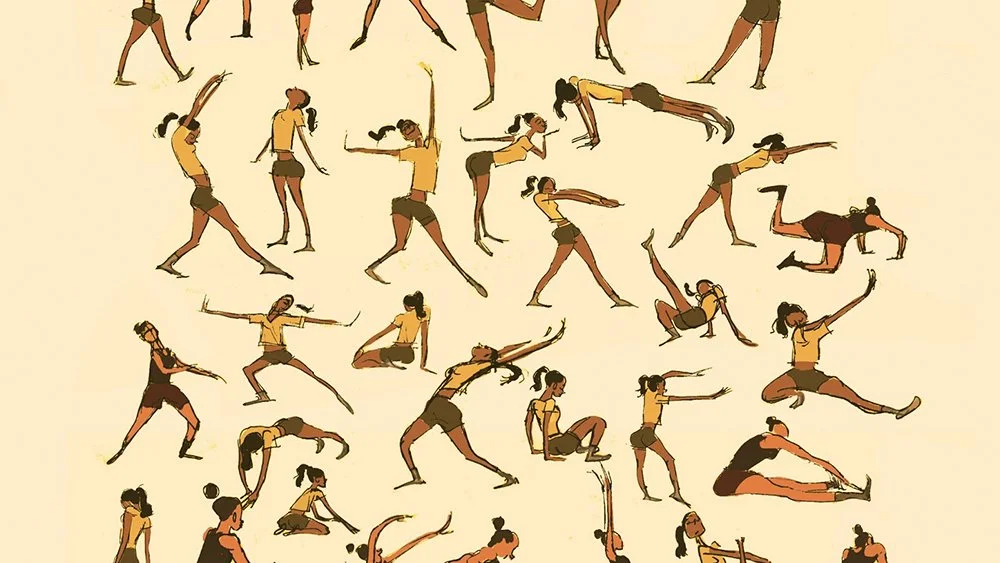
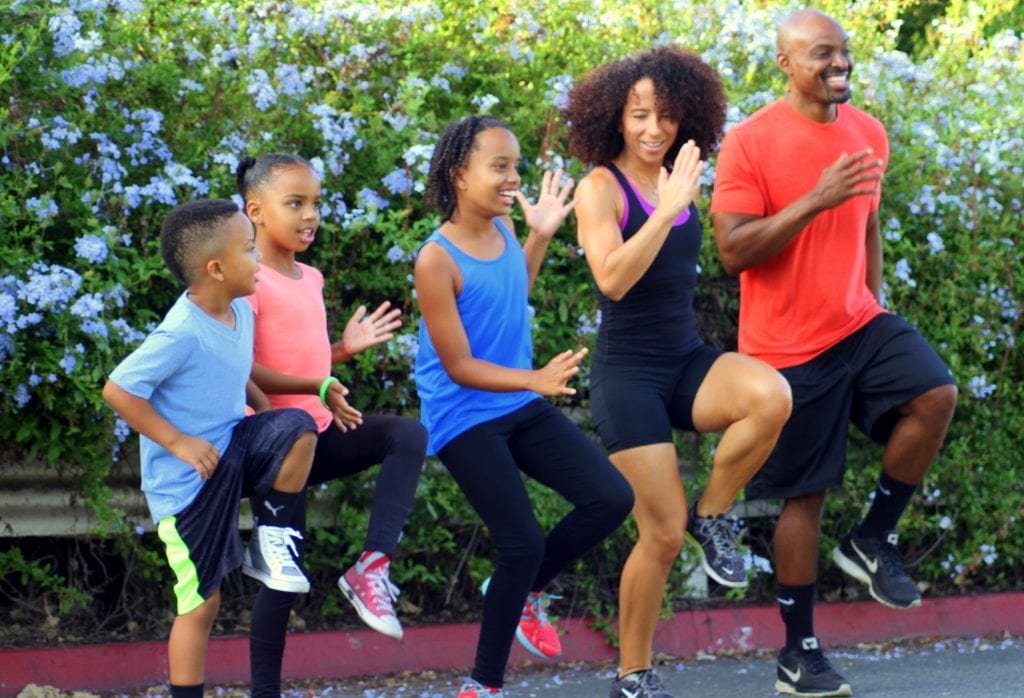
Our body operates on its own every day to keep our heart pumping, our blood flowing and our lungs breathing. Since the body is so autonomous in its care for us, many of us forget to return the favor and take care of our bodies. We live cut off from our bodies, not paying attention to what information our bodies share with us or what our bodies might need from us. Fostering a deeper connection with our bodies through mindfulness and movement allows us to improve emotional, mental, physical health simultaneously.
Exploring Mindfulness
Did you know our central nervous system can inform our body of our emotions faster than our brains can recognize these shifts in emotion? As you begin to attune yourself to your body you may notice different sensations that can give you a heads up to how you‘re feeling. Have you ever heard the expression of a hot head who is angry? Or the feeling of having butterflies in your stomach? We use these sayings casually in conversation because we can relate to our bodies responding to situations in these ways. However, these somatic symptoms are real responses to anger and anxiety. Sometimes we notice these symptoms after it is too late and our behaviors reflect our body’s dysregulated state, e.g., lashing out in anger at a family member. By paying attention to our bodies we can slow down our nervous systems and remind our bodies we are relaxed and safe therefore making a difference in our behaviors.
Practicing mindfulness and paying attention to your body can happen in different ways:
In the moment. Notice in your body where you are feeling any emotion: joy, sadness, anger, fear, etc. Often, the same emotion tends to show up in the same area of our individual body.
Intentional practice. Set aside time to engage in physical mindfulness. Whether a body scan, progressive muscle relaxation, an informal mindful walk or mindful eating, slow your body down and pay attention to what you are doing and how your body is reacting.
Exploring Movement
Most people understand movement and physical activity is important for the physical body. As discussed above, our brains and bodies are so connected that there are many psychological and emotional benefits to regular movement. According to the Association of Applied Sports Psychology (AASP) regular physical activity can improve mood, reduce stress and improve ability to cope with stress, improve self esteem, increase energy and confidence and decrease symptoms of depression. So, how much exercise is needed to achieve these benefits? The AASP recommends for short term benefits just 10 minutes of low intensity aerobic exercise can show benefits. For long term benefits, the AASP says 30 minutes of exercise, 3 days a week should do the trick. Remember, exercise accumulates. So, three 10 minute walks a day are equivalent to an uninterrupted 30 minute walk.
Reminders for movement:
Enjoy what you do. If you love a certain type of exercise, you are more likely to do it regularly. Explore different options. Some people are runners; however, that is not the only way to exercise. Find a dance class, walk with friends or go to YouTube to find a workout that works for you.
Yoga is an ancient exercise that combines certain postures with breath to incorporate mindfulness into exercise. There are many different types of yoga, find the right fit for you!
Notice pain, tension or differences in your body during exercise. Often, we do not pay attention to our bodies during exercise and instead put all of our focus on getting through the workout. Remember to engage all senses and care for your body especially while moving it!
Overall our bodies are beautiful and amazing vessels created to house our souls. So, let’s treat them that way through mindfulness and movement. Discuss the right options for you with your therapist or primary care provider before engaging in new mindfulness or physical activities.
RESOURCE