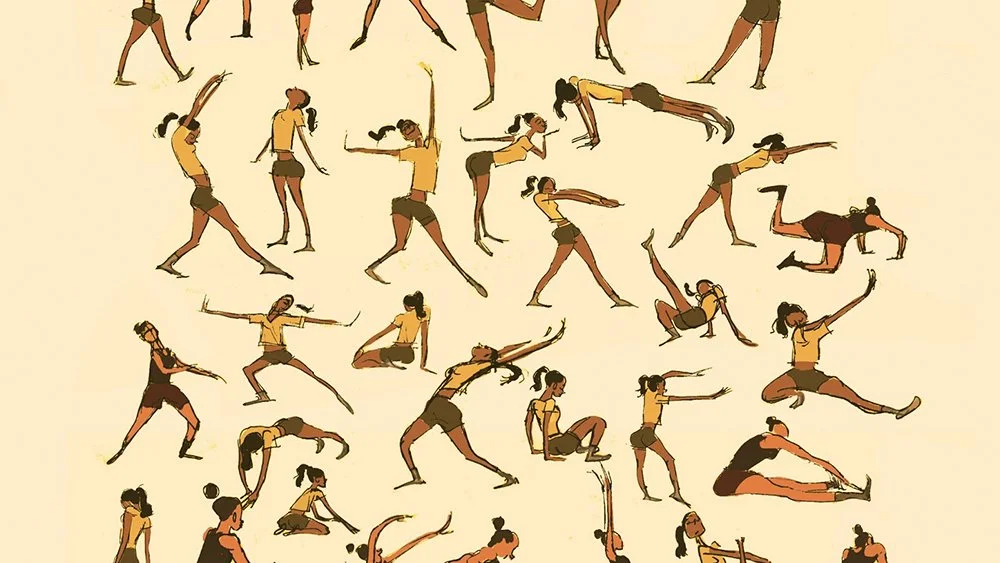
Movement Heals Mind, Body and Soul

By Bree Nussbaum, LMFT

Are you inspired watching the Olympic athletes compete this winter? I am in awe of these athletes and how they excel in their individual sport. They endure rigorous training that challenges their bodies and mental health. These individuals and teams take physical activity to the next level for that chance to win gold and even the chance to compete at all. Although most of us will never compete at the highest level in an Olympic event; the average person watching these athletes on TV can reap some of the same benefits these athletes experience. We don’t have to be athletes lifting weights 6 hours a day; simple daily activities like walking, riding bikes with the family, or even dancing around the kitchen can help.

As humans, we are embodied beings and moving our bodies honors our whole health. Movement is an excellent way to promote mental, emotional, physical and sexual health. Physical activity is all around helpful as all of these different areas of our health impact the others. 

Mental and emotional health benefits from movement include: 

  • Reduce stress, anxiety and depression 

  • Boost self-esteem and confidence 

  • Increase energy and focus


Physical health benefits include: 

  • Cardiovascular health

  • Disease prevention 

  • Muscle and bone strength 

  • Sleep 

Sexual health benefits include: 

  • Increased interest and arousal 

  • Boosted confidence and body image 

  • Balancing hormones

While all of these benefits are helpful, another important piece of movement is pairing it with rest. Did you know the body repairs itself while it is sleeping? Our bodies, minds and hearts deeply need rest. Remember to take care of yourself by both moving your body and being gentle with yourself.
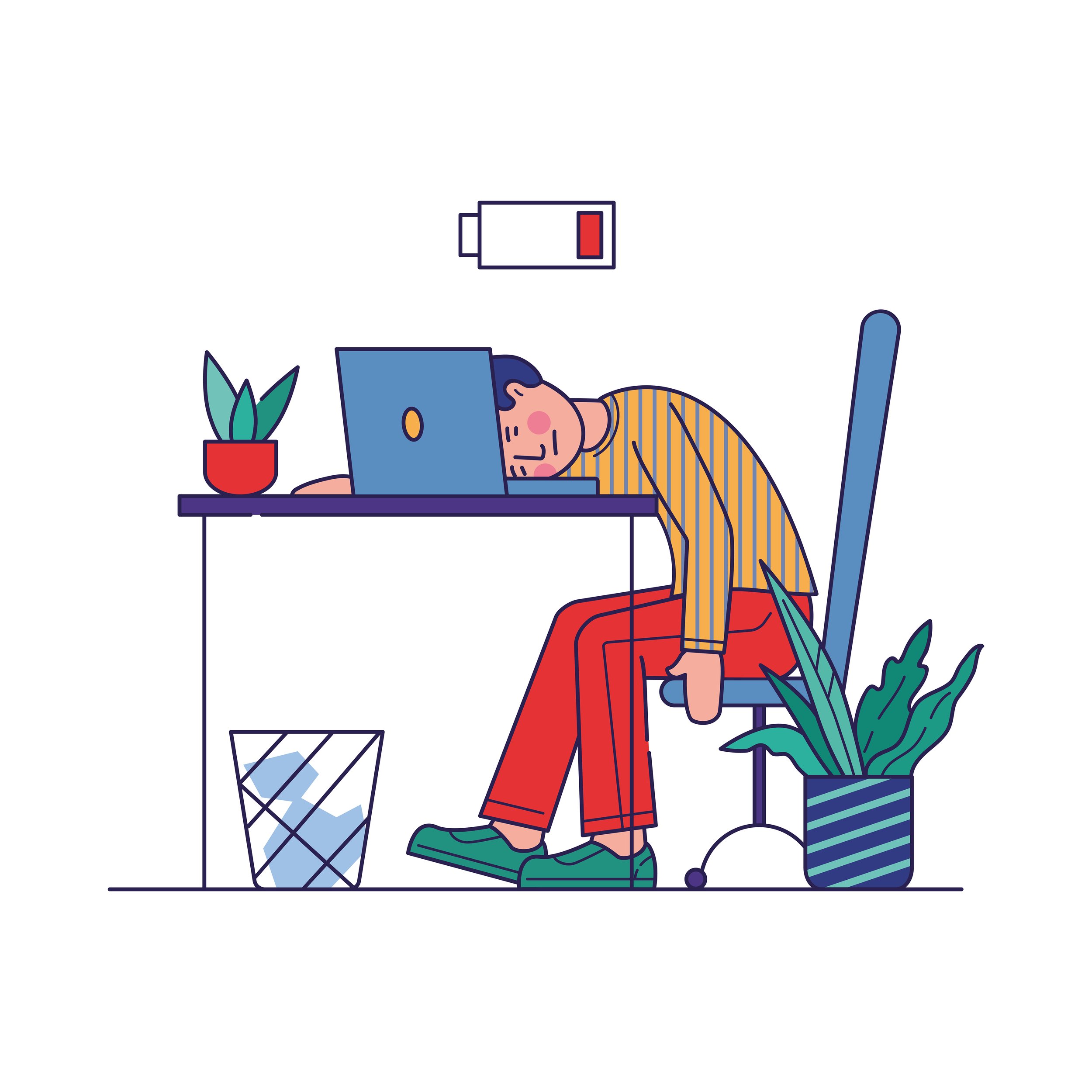
Why You Feel Drained, Even After Doing Nothing

By Olivia Grossklaus, amft

Have you ever had a day where you didn’t do much, yet still ended it feeling completely

exhausted? It can be confusing and even frustrating. If you weren’t physically busy, why do you

feel so drained?

The answer is often that rest isn’t just about what you do with your body but also about

what’s happening in your mind and nervous system.

Mental and emotional load plays a huge role in fatigue. Even when you’re sitting still, your brain

may be working overtime: replaying conversations, worrying about the future, managing stress,

or staying constantly alert. This kind of background mental activity can be just as tiring as

physical work, if not more so.

Another factor is chronic stress. When your body spends long periods in “fight or flight” mode,

it uses a lot of energy. Over time, this can leave you feeling worn down, foggy, or heavy,

regardless of how productive your day looks on the surface. You might not feel stressed in an

obvious way, but your nervous system hasn’t fully relaxed.

There’s also a difference between passive rest and restorative rest. Scrolling on your phone,

binge-watching shows, or zoning out can feel like rest, but they don’t always allow your mind or

body to truly reset. In some cases, they add more stimulation instead of relieving it.

Feeling drained can also be a sign that you’re emotionally carrying a lot, such as responsibilities,

expectations, unprocessed feelings, or the pressure to “hold it together.” Emotional energy is real,

and when it’s depleted, your body notices.

If this resonates, it doesn’t mean you’re lazy or broken. It means you might need a different kind

of rest: quiet, boundaries, movement, time outside, or moments where you’re not performing or

consuming anything at all.

Sometimes, doing “nothing” isn’t enough. Your system needs safety, softness, and space, and

listening to that need is a form of care.