
Why You Feel Drained, Even After Doing Nothing
/
By Olivia Grossklaus, amft
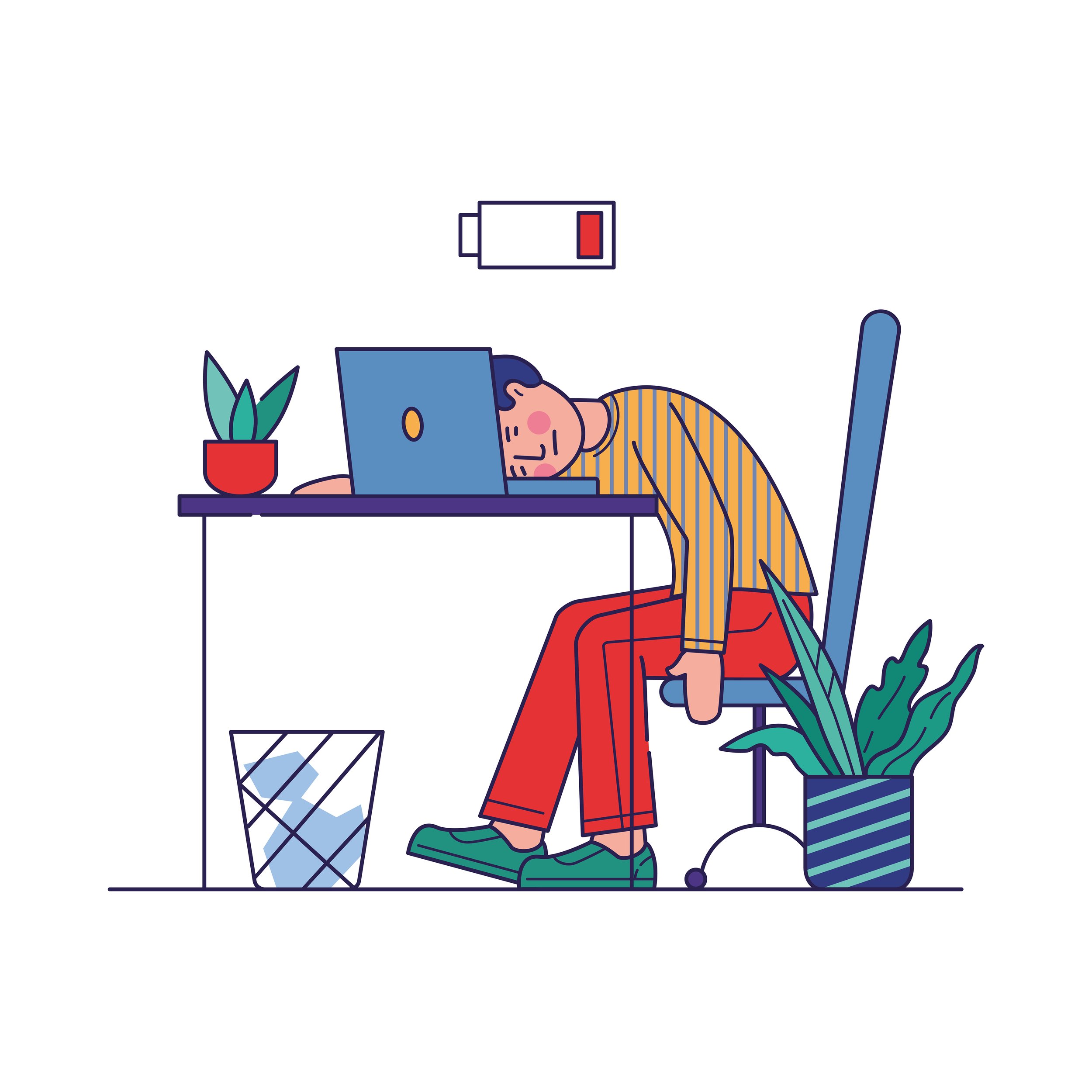
Have you ever had a day where you didn’t do much, yet still ended it feeling completely
exhausted? It can be confusing and even frustrating. If you weren’t physically busy, why do you
feel so drained?
The answer is often that rest isn’t just about what you do with your body but also about
what’s happening in your mind and nervous system.
Mental and emotional load plays a huge role in fatigue. Even when you’re sitting still, your brain
may be working overtime: replaying conversations, worrying about the future, managing stress,
or staying constantly alert. This kind of background mental activity can be just as tiring as
physical work, if not more so.
Another factor is chronic stress. When your body spends long periods in “fight or flight” mode,
it uses a lot of energy. Over time, this can leave you feeling worn down, foggy, or heavy,
regardless of how productive your day looks on the surface. You might not feel stressed in an
obvious way, but your nervous system hasn’t fully relaxed.
There’s also a difference between passive rest and restorative rest. Scrolling on your phone,
binge-watching shows, or zoning out can feel like rest, but they don’t always allow your mind or
body to truly reset. In some cases, they add more stimulation instead of relieving it.
Feeling drained can also be a sign that you’re emotionally carrying a lot, such as responsibilities,
expectations, unprocessed feelings, or the pressure to “hold it together.” Emotional energy is real,
and when it’s depleted, your body notices.
If this resonates, it doesn’t mean you’re lazy or broken. It means you might need a different kind
of rest: quiet, boundaries, movement, time outside, or moments where you’re not performing or
consuming anything at all.
Sometimes, doing “nothing” isn’t enough. Your system needs safety, softness, and space, and
listening to that need is a form of care.