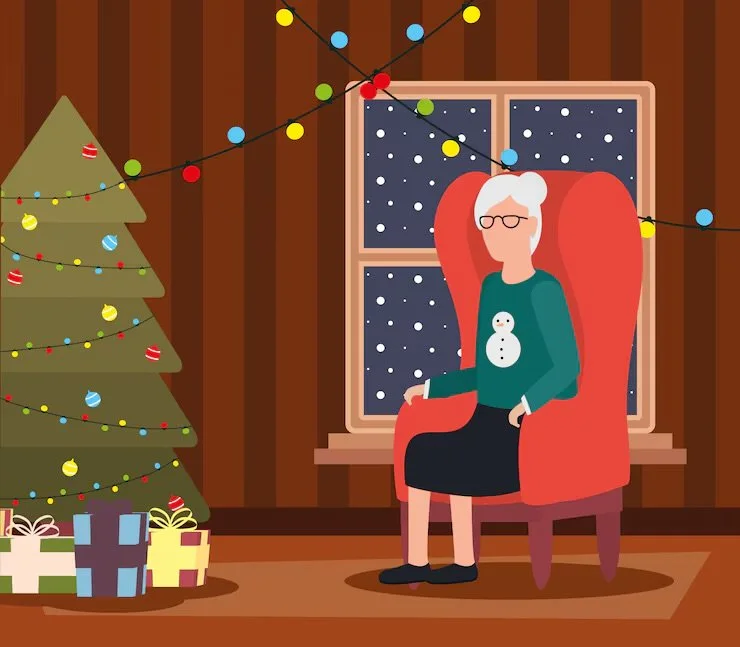
Navigating the Holidays When Someone is Missing

By Caroline Neal, lmft

The holidays bring immense pressure to "be joyful," but when you are grieving, this expectation can collide with your reality. If you are dreading the weeks ahead, please know that your feelings are valid. This season is not about getting over your grief, but about finding practical ways to manage it while navigating the constant reminders of your loss.

Anticipating and Managing Triggers

Grief is intensified by the rituals and traditions of the season. Knowing the common triggers can help you prepare:

Sensory Overload: Be mindful of specific scents, songs, or sights that instantly transport you back to painful memories.

The "Firsts": The first time you experience a key holiday event (dinner, gift exchange) without your loved one will likely be the hardest; be extra gentle with yourself on those days.

Social Pressure: Anticipate difficult questions from well-meaning relatives and have a simple, planned response ready.

Essential Strategies for Self-Protection

Your primary goal is to conserve your emotional energy and practice self-compassion.

Practice the Power of 'No': You don't owe anyone an explanation or your presence. Limit attendance at events or skip painful traditions entirely.

Plan Your Escape Route: Drive yourself so you can leave an event when you need to. Identify a Grief Buddy who knows you might need a brief retreat or a distraction.

Schedule Your Grief: Designate specific time slots each week to intentionally look at photos, cry, or feel sad. This prevents the grief from ambushing you during social events.

Allow Joy Without Guilt: If you laugh or feel a moment of peace, accept it. Joy is not a betrayal of your loved one; it is a necessary emotional reprieve.

Honoring and Remembering

Instead of trying to ignore the absence, create new rituals that actively honor your loved one's memory.

Create a Tribute: Place a candle, a favorite object, or a photo on the table to acknowledge their place and absence.

Share a Memory: Dedicate a few minutes during a gathering for family members to share a short, positive memory of the person who is missing.

Act of Service: Transform sadness into tribute by making a donation or volunteering for a cause your loved one cared about.

Seeking Support

If the emotional weight feels overwhelming, remember that seeking help is a sign of strength. Therapy offers a safe space to process complex emotions and helps you distinguish between normal grief and complicated grief, ensuring you get the support needed to navigate the intensity of the season.

This holiday season, give yourself permission to be exactly where you are.

If you're finding the emotional burden too heavy to carry alone, please reach out to schedule a time to talk.


Practicing Gratitude in All Seasons

By Bree Nussbaum, amft

Amongst the many challenges that each of us face daily, gratitude is one of the best ways to combat anxiety, depression, stress and other difficulties. However, when in the middle of difficult situations, it can be challenging to find something to be thankful for. Keep in mind that practicing gratitude is exactly that– a practice. It takes time and different approaches to develop and strengthen the “gratitude muscle.” It might be worth your while to practice gratitude because gratitude is proven to improve sleep, physical health and psychological health, while simultaneously increasing empathy, social connection, self esteem and resilience. 

With practice and intention, gratitude can gradually become more of a natural response over time. The following are different ways it can become part of your day, week or month. Start with what frequency feels right to you and build upon the habit. 

  • One Thing From the Day: Over the course of a month practice slowing down and noticing one thing that you are thankful for. Even at the end of a hard day you can likely find one thing that brings up gratitude. Eventually challenge yourself and start naming 2 or 3 daily events you are grateful for.

  • Fill up a Gratitude Jar: Grab an empty container and fill it with notes of thankfulness. Whenever something makes you feel gratitude write it down and watch the jar fill up over time. When feeling down, go through the jar and reflect on the goodness in your life.

  • Journaling Prompts: When reflecting on gratitude, consider writing in a journal answering specific questions. What is a memory you are grateful for? How have you overcome a challenge recently? Perhaps you are most grateful for your home or putting a meal on the table. Why are you grateful for those things? 

  • Connecting with others: Are you grateful for your family or a friend? Express this to each family member and why you are specifically grateful for them by sending a quick text, giving them a call or writing a handwritten note. 

  • Reflecting on the emotion of gratitude: While practicing gratitude, notice how this feels in your body. What other emotions does it bring up? Notice the positive emotions and changes in your mood.

  • Reflecting on what could be missing: Sometimes, imagining if you did not have what you are grateful for can be a helpful way to elicit thankfulness or appreciation. Perhaps you imagine not having your home, food to eat, family or a close friend. Taking time to sit with this perspective can increase gratitude.

Although Thanksgiving is around the corner, gratitude does not have to end once the holidays come and go. Gratitude is a year round practice with a multitude of benefits. Challenge yourself and a friend to practice gratitude during this season and into the new year. Happy Holidays! 

Maintaining Boundaries During the Holidays: A Therapist’s Guide to Protecting Your Peace

By Nicole Marino, lmft

As the holiday season looms, it can often bring feelings of joy, connection, and meaning, but it can also stir up stress, negativity, and overwhelm. Between family expectations, social gatherings, and the pressure to “make everything perfect,” it’s easy to lose sight of your own needs. As a therapist, I often remind clients that one of the most loving things you can do for yourself is to maintain healthy boundaries, especially during the holidays.

1. Clarify Your Values and Priorities

Before the season gets hectic, take a moment to reflect on what truly matters to you.
Ask yourself: What experiences make the holidays meaningful to me? What drains my energy or causes resentment? When you know your “why,” it becomes easier to say no to things that don’t align with your values.

2. Give Yourself Permission to Say No

Saying no can feel uncomfortable, especially when traditions, family, or guilt are involved, but remember that every yes is also a no to something else. You might say no to attending multiple events so you can rest or spend intentional time with loved ones. You’re not being selfish; you’re protecting your emotional capacity.

“I’d love to celebrate with you, but I’m keeping things lowkey this year.”
“Thanks for thinking of me, but I can’t make it this time.”

Simple, respectful statements go a long way, and you’ll feel better that you honored your true feelings instead of saying yes to appease others. 

3. Anticipate Triggers and Make a Plan

The holidays can resurface old family dynamics, triggers, or stressors. If certain situations tend to leave you feeling overwhelmed or hurt, plan ahead:

  • Set time limits for visits.

  • Have a supportive friend on standby to text or call.

  • Practice grounding strategies (deep breathing, walks outside, mindfulness).

Preparing for challenges doesn’t mean you’re being negative, it means you’re caring for yourself proactively.

4. Maintain Daily Routines Where Possible

Boundaries aren’t just about saying no—they’re also about saying yes to what keeps you well. Try to maintain your sleep, exercise, and overall routines as best you can. Even small acts of consistency can help you stay grounded amid the holiday chaos.

5. Remember Emotional Boundaries

You don’t have to engage in every conversation or absorb other people’s emotions. You can listen empathetically without taking responsibility for others’ feelings. Practice reminding yourself: “Their reaction belongs to them.” 

6. Check in With Yourself Regularly

Notice when you feel tense, resentful, or depleted. These are signals that a boundary may need reinforcing. Self-awareness is your best guide. Give yourself permission to adjust plans if something no longer feels right.

By respecting your own limits, you make space for genuine presence, peace, and joy this holiday season. If this time of year feels particularly difficult, consider talking with a therapist who can help you explore these boundaries more deeply. You deserve to experience the holidays in a way that supports you and feels authentic to you. For more mental health tips around the holidays, check out my previous blog post here: http://www.fochtfamilypractice.com/blog/2024/11/1/prioritizing-your-mental-health-during-the-holidays  

Nicole Marino LMFT

Nicole is an Licensed Marriage and Family Therapist, specializing in therapy services for Couples, Families, and Individuals.

Nicole received her Bachelor of Science in Human Development and Family Studies (concentration in Family Studies) at the University of Illinois Urbana-Champaign. She then received her Master of Science in Marriage and Family Therapy from the Family Institute at Northwestern University.

Nicole’s clinical interests include anxiety, depression, relationship issues, adult life transitions, couple conflict, emerging adulthood, attachment-based issues, self-esteem issues, sexual concerns, divorcing couples, work and career issues, grief and loss, and child/adolescent work. Nicole has worked with individuals, couples, families, and children/adolescents.

Nicole is trained in various therapy models, works from an integrative framework, and believes in the importance that every client is unique and different. Because of this, she tailors her therapy around each client’s specific needs and goals in a collaborate effort. Nicole also believes in the importance of creating a safe environment for everyone in the room to feel completely comfortable voicing their perspective and feelings. She approaches therapy in a compassionate, understanding, and curious way. Nicole believes therapy is a place to learn more about yourself and grow as a person. Change can only happen if you are willing to put in the work, and Nicole is always eager to help facilitate that journey.

Nicole offers both In-Person and TeleHealth sessions.